Exploring the Versatility of Seamless Pattern Square Brown in Design and Branding
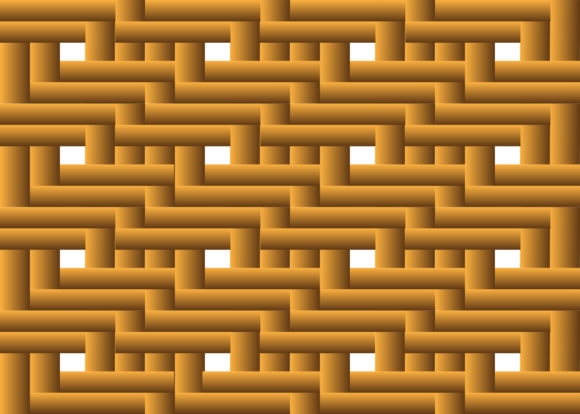
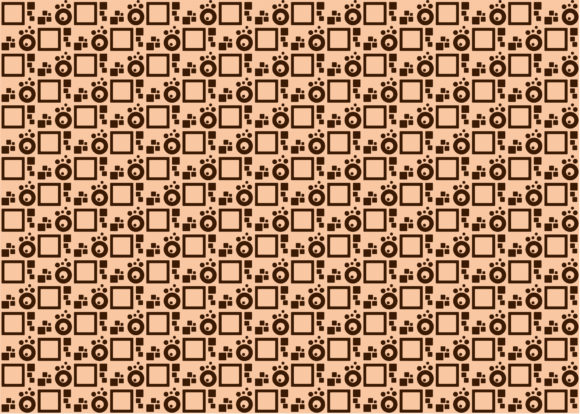
The Seamless Pattern Square Brown is more than just a visual element; it's a foundational design asset that bridges creativity and functionality across multiple industries. This pattern, characterized by its uniform square layout and warm brown hues, offers a timeless appeal that can be adapted to various mediums and purposes. Whether used for digital backgrounds, fabric prints, or even packaging materials, its adaptability makes it an essential tool for designers, marketers, and creators alike.
At first glance, the Seamless Pattern Square Brown may seem simple, but its potential is vast. The repetition of squares ensures continuity without visual fatigue, making it ideal for large-scale applications like web pages, banners, or textile designs. Its neutral yet rich color palette provides a versatile base that complements both bold and subtle color schemes, allowing for creative flexibility in branding and interior design.
Applications Across Industries
The Seamless Pattern Square Brown Collection has found a home in numerous fields due to its ability to blend seamlessly into different contexts. In web design, it serves as an excellent background texture that adds depth without overwhelming the content. For instance, using this pattern as a subtle backdrop on a corporate website can create a professional yet approachable atmosphere, reinforcing brand identity without distraction.
In the realm of fabric design, the pattern’s structured geometry lends itself well to upholstery, curtains, and even clothing. The squares can be scaled up or down depending on the fabric type, offering a consistent look across different products. A furniture brand might use this pattern on cushions or drapes to add a touch of elegance and warmth to a living space.
Gift wrapping paper is another area where this pattern shines. The clean lines and earthy tones evoke a sense of sophistication and simplicity, making it suitable for both luxury and everyday gifts. The pattern’s scalability allows for intricate details when printed at high resolutions, ensuring that each gift feels thoughtfully wrapped.
For textile design, the Seamless Pattern Square Brown provides a foundation that can be layered with other textures or colors to create dynamic fabrics. It can serve as a base for embroidered designs or be combined with contrasting patterns to produce visually striking results. This adaptability makes it a favorite among textile artists and manufacturers looking to innovate within traditional frameworks.
In home decor, the pattern’s versatility extends to wall coverings, decorative tiles, and even kitchenware. A kitchen backsplash featuring this pattern could bring a modern yet grounded aesthetic to a space, while decorative tiles in a bathroom could offer a calming, spa-like ambiance. The pattern’s consistency ensures that it looks cohesive whether applied to small or large surfaces.
Design Characteristics and Advantages
One of the key characteristics of the Seamless Pattern Square Brown is its ability to tile without visible seams, which is crucial for digital and physical applications. This feature eliminates the need for complex image editing or manual alignment, saving time and effort during the design process. Whether applied to a webpage or a fabric swatch, the pattern maintains its integrity and visual appeal across different scales.
The Seamless Pattern Square Brown Collection also benefits from being available in JPG format, which ensures compatibility with a wide range of software and platforms. This format is widely supported, making it easy for designers to integrate the pattern into their workflow without encountering technical barriers. Additionally, the JPG format allows for high-quality printing, which is essential for applications such as textiles, packaging, and promotional materials.
Another advantage of this pattern is its ability to work well with both light and dark color schemes. When paired with lighter colors, it can act as a subtle accent, adding texture without overpowering the overall design. Conversely, when used with darker shades, it can create a dramatic contrast that draws attention to specific elements. This dual functionality makes it a valuable asset for designers working on diverse projects.
The pattern’s geometric nature also contributes to its usability in cosmetics and food branding. In cosmetics, the squares can be incorporated into packaging to convey a sense of structure and reliability, which is particularly appealing to consumers who value quality and consistency. Similarly, in food branding, the pattern can be used on labels or packaging to create a rustic or organic feel, aligning with trends in natural and sustainable products.
Considerations for Implementation
While the Seamless Pattern Square Brown is highly adaptable, there are certain considerations to keep in mind when implementing it in a project. First, the scale of the pattern should be adjusted based on the medium. For digital applications, a smaller scale may be more appropriate to ensure clarity, while larger-scale prints may require a more detailed version to maintain visual interest.
Color accuracy is another important factor. Since the pattern features a brown hue, it’s essential to ensure that the chosen shade matches the intended application. For example, a slightly warmer tone may be more suitable for home decor, while a cooler variation could work better for digital interfaces. Testing the pattern in different lighting conditions can help determine the most effective color choice.
Additionally, designers should consider how the pattern interacts with other elements in the design. While the Seamless Pattern Square Brown is visually appealing on its own, it can sometimes compete with other design components if not used carefully. Balancing the pattern with text, images, or other textures is crucial to maintaining a harmonious composition.
Finally, it’s worth noting that the Seamless Pattern Square Brown Collection is not limited to a single use case. Its versatility allows it to be reinterpreted in various ways, from minimalist to maximalist designs. By experimenting with different applications and combinations, designers can unlock new possibilities and create unique, impactful visuals that resonate with their audience.