Fruit Pattern Design Modern: A Contemporary Approach to Visual Creativity
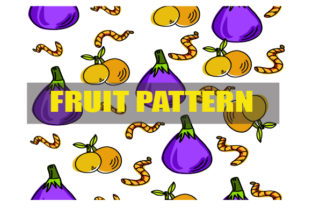
Fruit Pattern Design Modern refers to a design style that incorporates stylized fruit imagery into patterns, characterized by its clean lines, vibrant colors, and minimalistic approach. These designs are often created in vector formats such as EPS 10, making them highly versatile for use across various digital and print platforms. As the demand for visually engaging content continues to rise, modern fruit pattern designs have become a popular choice among designers, illustrators, and creative professionals.
Understanding Fruit Pattern Design Modern
Fruit Pattern Design Modern is more than just an aesthetic trend; it represents a shift toward simplicity and clarity in visual communication. Unlike traditional fruit illustrations that may feature intricate details, modern fruit patterns focus on flat, simplified shapes and bold color schemes. This approach allows for greater flexibility in application, whether it's for branding, packaging, or digital interfaces.
These designs are typically available in EPS 10 format, which ensures scalability without loss of quality. This makes them ideal for both small-scale projects and large-format prints. The versatility of EPS files also means they can be easily edited in graphic design software such as Adobe Illustrator, CorelDRAW, or Inkscape.
Why Consider Fruit Pattern Design Modern?
There are several compelling reasons why someone might be interested in using Fruit Pattern Design Modern. One of the primary advantages is its ability to convey freshness, health, and natural appeal. This makes it particularly well-suited for industries such as food and beverage, wellness, and organic products.
Additionally, the modern aesthetic of these patterns aligns with current design trends that emphasize minimalism and user-friendly visuals. This can enhance brand identity and make products more appealing to a contemporary audience.
Another key benefit is the wide range of variations available. Designers can choose from numerous styles, including abstract, geometric, and realistic interpretations of fruits. This diversity allows for customization based on specific project needs and creative visions.
Benefits and Tradeoffs
The benefits of Fruit Pattern Design Modern include its adaptability, scalability, and visual impact. The use of flat design principles ensures that these patterns remain legible at any size, making them suitable for both digital and physical applications. Furthermore, the availability of EPS 10 files provides users with the freedom to modify and integrate the designs seamlessly into their projects.
However, there are some tradeoffs to consider. While the modern approach simplifies fruit imagery, it may not be appropriate for contexts where detailed realism is required. Additionally, the reliance on vector formats may pose a challenge for those unfamiliar with graphic design software.
Designers should also be mindful of licensing terms when using pre-made fruit pattern designs. Ensuring proper usage rights is crucial to avoid legal issues, especially in commercial settings.
Situations Where Fruit Pattern Design Modern Is a Strong Fit
Fruit Pattern Design Modern is particularly effective in situations where a fresh, contemporary look is desired. It works exceptionally well in branding for food-related businesses, such as juice bars, bakeries, and health-focused cafes. The vibrant colors and recognizable shapes of fruits can help create a strong visual identity that resonates with consumers.
These patterns are also beneficial for packaging design, where they can add visual interest while reinforcing product themes. For instance, a line of organic snacks could use a modern fruit pattern to communicate its natural and healthy attributes.
In digital contexts, such as website backgrounds or app interfaces, Fruit Pattern Design Modern can contribute to a cohesive and aesthetically pleasing user experience. Its clean and uncluttered nature supports readability and usability, which are essential for digital engagement.
When Alternatives May Be Worth Considering
While Fruit Pattern Design Modern offers many advantages, there are scenarios where alternative design approaches may be more suitable. For example, if a project requires a more traditional or artistic representation of fruits, a hand-drawn or photorealistic style might be preferable.
Additionally, if the target audience prefers a more subdued or professional appearance, a minimalist or monochromatic design could be a better fit. It's important to evaluate the context and purpose of the design to determine whether the modern fruit pattern is the best choice.
In cases where high detail or texture is necessary, such as in product photography or complex illustrations, other design methods may provide better results. Designers should weigh the pros and cons of each approach based on the specific requirements of their project.
Practical Insights for Decision-Making
When deciding whether to incorporate Fruit Pattern Design Modern into a project, it's essential to consider the overall design goals and the intended audience. Ask yourself: Does this design align with the brand’s personality? Will it effectively communicate the intended message? Can it be adapted to different mediums and sizes without losing its impact?
It's also helpful to review existing examples of Fruit Pattern Design Modern in action. Analyzing how other designers have used these patterns can provide valuable insights into their potential applications and limitations. Experimenting with different variations can further help in finding the right match for your project.
Lastly, consider the technical aspects of working with EPS 10 files. If you're not familiar with vector-based design tools, it may be worth investing time in learning the basics or seeking assistance from a professional designer.